

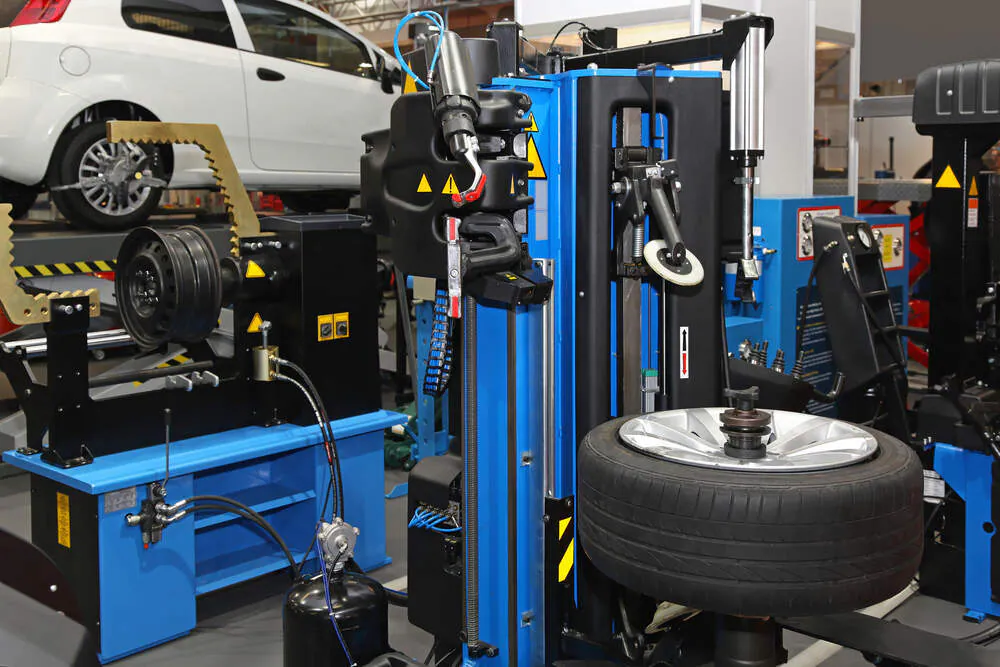
Precision tools play a vital role in keeping structural accuracy during repair tasks, where correct positioning ensures safety and long-term performance. Choosing the right system needs careful attention to build eminence measurement capability and ease of use for reliable results. A trusted automotive repair equipment provider often designs tools that support stable alignment while reducing manual effort through smart engineering. These systems help professionals achieve accurate adjustments without repeated corrections, which saves time. Selecting suitable equipment improves workflow while ensuring dependable results across different repair situations without unnecessary complications.
Accurate Measurement Improves Work Quality
Precise measurement systems help identify misalignment clearly, which supports correct adjustments while reducing errors during repair processes that depend on exact positioning for proper structural balance.
Strong Build Ensures Long Durability
Durable construction allows tools to handle repeated use without damage, which helps maintain consistent performance while reducing replacement costs over extended periods of regular operation.
Easy Setup Saves Valuable Time
Quick setup features reduce preparation time, which helps improve workflow speed while allowing professionals to begin alignment tasks faster without complex adjustments or lengthy preparation steps.
Stable Base Maintains Tool Position
A stable base prevents unwanted movement during operation, which helps maintain accuracy while ensuring that alignment adjustments remain consistent throughout the entire repair process.
Calibration Feature Ensures Consistent Results
Regular calibration options help maintain measurement accuracy, which supports reliable performance while preventing incorrect readings that may affect overall repair quality during repeated use.
User-Friendly Controls Simplify Operation
Simple control systems help users operate tools without confusion, which improves efficiency while reducing errors caused by complicated settings or unclear adjustment methods.
Compatibility Supports Multiple Applications
Versatile systems work with various frame types, which increases usability while helping professionals handle different repair tasks using a single reliable alignment solution.
Safety Features Reduce Operational Risks
The safety features are built in to avoid accidents when using them, and this aspect guarantees safety when handling them, at the same time safety of the user and the equipment during the alignment process.
Reliable Output Builds Professional Trust
Consistent performance helps build confidence in repair results, which supports long-term use while ensuring that alignment tasks meet expected standards without repeated corrections.
Selecting Tools Based On Needs
Choosing the right tool depends on understanding repair requirements clearly for better outcomes.
- Identify usage frequency before purchase, which helps determine durability needs for tools used regularly during demanding repair tasks daily.
- Compare measurement accuracy levels, which ensure the selected tool meets the required precision for consistent alignment results across different repair conditions.
- Check ease of setup, which helps reduce preparation time while improving efficiency during regular alignment procedures in busy work environments.
Selecting suitable alignment systems requires attention to precision, durability, and usability, which together improve repair outcomes across different working conditions. Careful evaluation of features guarantees better performance while reducing mistakes during adjustment tasks. Selecting tools from a trusted automotive repair equipment provider supports lasting reliability while enlightening efficiency. When all essential features align with specific repair needs, results become more consistent and dependable, which strengthens overall workflow quality and ensures proper structural correction without unnecessary effort or repeated adjustments.