

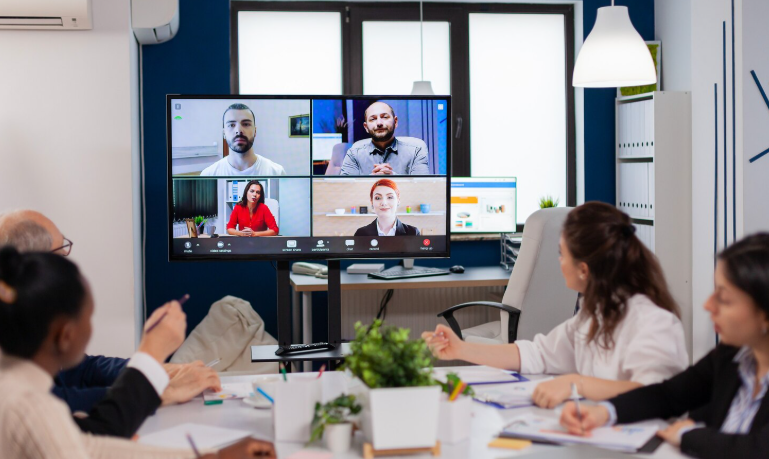
The workplace has changed significantly. Some of your team members may be in the office, some on their second cup of coffee at home, and others joining from the other side of the world. Hybrid work has long become the new normal.
But despite the added flexibility of hybrid teams, some still fail. And it’s not because of where people work, but when leaders don’t know how to lead in both digital and physical worlds.
So, how do you build a hybrid team that actually works? One that’s engaged, productive, and connected? Let’s find out.
Redefine Presence
In a hybrid setting, being present doesn’t mean sitting in the same room physically. It means being engaged. Whether someone’s speaking from an online video meeting or sitting at the conference table, they should feel equally seen and heard.
Leaders need to make sure digital presence holds the same weight as physical presence. Rotate meeting leads, invite input through chat or polls, and ensure remote workers don’t get sidelined in discussions. No team, whether it’s the in-office one or the remote one, should be favored over the other.
Use Technology for Collaboration
Your tools should bring people together, not make them feel like they’re on different planets. Use apps and software that make collaboration and communication easy and fast. In the office, you can create a setup with high-quality cameras, mics, and shared screens.
Messaging platforms like Slack or Teams are commonly used for quick collaboration. You can also schedule digital office hours and use project trackers to make it easy for your team to know who’s doing what without a dozen follow-ups.
Invest in Leadership Coaching
Managing a hybrid team requires a completely different skill set than traditional office leadership. The ability to motivate across screens, build trust remotely, and handle digital miscommunications doesn’t come naturally.
Managers and team leads can learn through personalized guidance from online leadership coaching to keep up with the hybrid era. Not only are online sessions more accessible, but they also save a lot of time while providing the same benefits as in-person coaching.
Consider Team Building Activities
Team culture doesn’t build itself. Hybrid work can easily make relationships transactional, and to avoid this, leaders need to host private events or fun workshops that blend the digital and physical.
Try inviting both remote and in-office teams for a combined meetup every now and then. You can book a private meeting room for brainstorming, celebrating milestones, or creative workshops that re-energize the group.
Even holding sessions where team members share wins or personal stories helps a lot in building connections. And gathering in a physical space to enjoy and engage further strengthens that connection.
Balance Autonomy and Accountability
One of the biggest parks of hybrid work is flexibility, and one of the biggest pitfalls is disconnection. The trick is finding a balance between freedom and structure.
Set clear expectations on outcomes, not hours. Encourage ownership while keeping communication lines open. Check-ins should also feel supportive, not like someone’s keeping an eye on you at all times.