

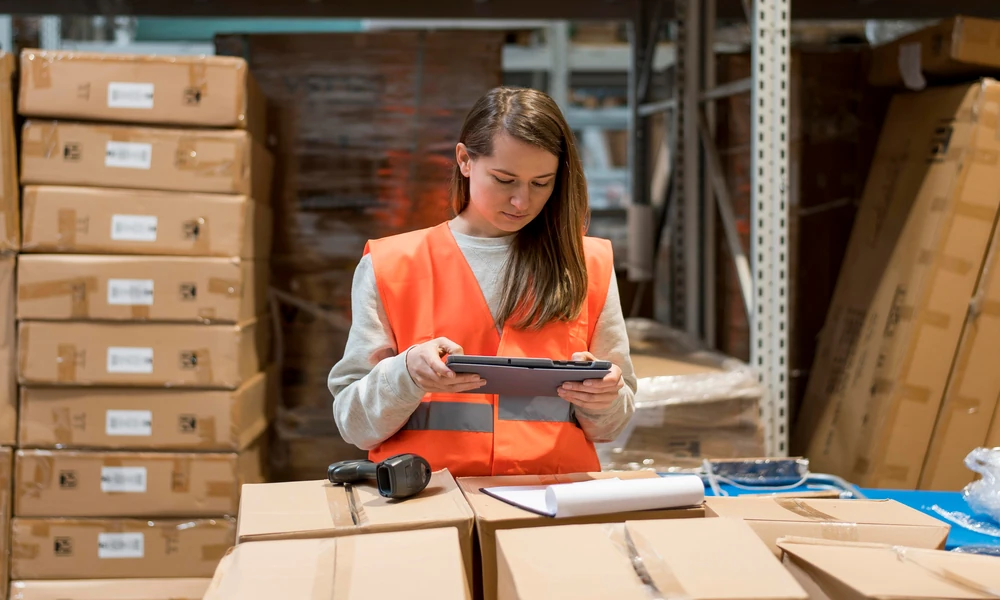
A Perfect Product Can Still Become a Problem
Imagine receiving a shipment where the products are exactly what you ordered.
The quality is excellent. The finish is consistent. Packaging looks great.
Then customs flags the shipment because the paperwork is incomplete.
It happens more often than many businesses realize.
International trade depends on much more than manufacturing quality. Accurate documentation helps products move through customs, reach customers on time, and comply with the requirements of different markets. Even when the products themselves are flawless, paperwork mistakes can create delays, unexpected costs, and unnecessary stress.
Small Errors Can Have Big Consequences
Documentation isn’t always exciting, but it’s incredibly important.
A missing product description. An incorrect HS code. Labels that don’t match the packing list. A purchase order that differs from the final specifications. Individually, these might seem like minor administrative issues.
In practice, they can slow shipments, create confusion between buyers and suppliers, or require last-minute corrections before goods can move forward.
Unlike manufacturing defects, paperwork errors are often discovered by logistics providers, customs officials, or warehouse teams rather than the factory itself. That means they may not become visible until the shipment is already well on its way.
Clear Specifications Reduce Misunderstandings
Documentation starts long before a shipment leaves the factory.
Product specifications, approved drawings, packaging instructions, labeling requirements, and purchase orders all help create a shared understanding between the buyer and the manufacturer.
When those documents are clear and detailed, there’s less room for interpretation.
On the other hand, vague instructions often lead to assumptions. A supplier may believe a certain packaging method is acceptable, while the buyer expected something completely different. Neither side intended to make a mistake, but the absence of clear documentation created one anyway.
Good documentation acts as a reference point that everyone can follow throughout production.
Verification Goes Beyond the Products
Quality control isn’t only about examining finished goods.
Experienced importers also verify that production records, labels, carton markings, quantities, and shipping details match the agreed requirements. Everything should line up before products leave the factory.
This is one reason many businesses include a pre-shipment inspection China as part of their sourcing process. In addition to checking product quality, these inspections often help confirm that packaging, labeling, and shipment details are consistent with the order requirements before goods are dispatched.
Finding discrepancies before shipment is usually much easier than correcting them after the products have already entered the supply chain.
Good Documentation Improves Communication
One overlooked benefit of strong documentation is that it improves communication.
Instead of relying on memory or informal conversations, both sides have written information they can reference throughout the project. Questions can be answered more quickly because everyone is working from the same set of requirements.
This becomes especially valuable when multiple departments are involved. Purchasing teams, production managers, warehouse staff, freight forwarders, and quality control personnel all depend on accurate information to do their jobs effectively.
The clearer the documentation, the fewer misunderstandings tend to occur.
Strong Processes Create More Reliable Results
Well-organized businesses usually treat documentation as part of the production process rather than an afterthought.
They review specifications carefully, update records when changes occur, and make sure the latest information is available to everyone involved. That level of organization supports smoother production, better communication, and more consistent outcomes over time.
It also makes future orders easier to manage because expectations have already been clearly documented.
Successful International Trade Depends on More Than Quality
Product quality will always be one of the most important parts of international sourcing.
But quality alone isn’t enough.
Reliable documentation helps ensure products are manufactured correctly, packed correctly, shipped correctly, and received without unnecessary complications. It supports every stage of the supply chain, from production planning to customs clearance.
Businesses that give documentation the same level of attention as product quality often experience fewer delays, fewer misunderstandings, and a much smoother sourcing process overall.